
Plant-based eating on a budget

Build satisfying meals around affordable staples, familiar flavours and flexible substitutions. A useful budget includes time, access and the food you actually eat.

Plant-based eating on a budget

Build satisfying meals around affordable staples, familiar flavours and flexible substitutions. A useful budget includes time, access and the food you actually eat.

4 min read
01

Affordability comes from the staples

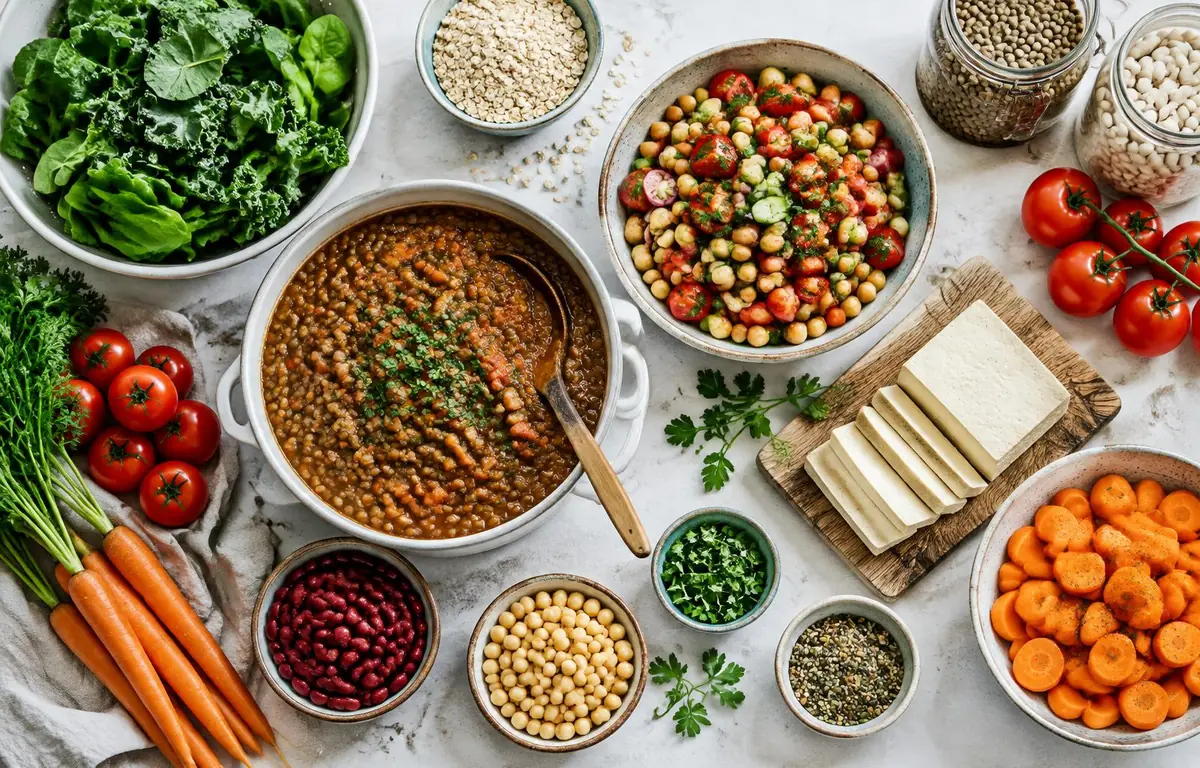
Dried or canned beans, lentils, oats, rice and seasonal or frozen vegetables can form an affordable base. Specialty substitutes may be convenient, but they are not required for plant-based eating. Compare unit prices, usable quantities and preparation time rather than assuming that every product marketed as vegan represents good value.

Local prices and access vary, so claims that a particular diet is always cheaper are too broad. Food budgets also include time, storage and cooking facilities. A practical recipe should work with the resources available. Canned legumes or a simple one-pot meal can be a sensible choice when time or equipment is limited.

  • Compare unit prices instead of package size
  • Use canned beans when convenience matters
  • Choose a few versatile ingredients for several meals
Source: Our World in Data · Environmental impacts of food
02

Set up a small useful pantry

A few versatile staples are more useful than a cupboard full of unfamiliar products. Choose legumes, a grain, canned tomatoes, frozen vegetables and seasonings you like. Include quick options for busy days. Specialty substitutes can help, but there is no requirement to buy expensive products to cook plant-based meals.

Your pantry should suit the equipment, storage and time you actually have. Canned beans can be sensible when soaking and cooking dried beans is impractical. Small packages may cost more per unit but prevent waste when storage is limited. Practical sustainability considers both resource use and the realities of daily life.

  • Keep legumes and a grain ready to use
  • Choose frozen vegetables for flexible portions
  • Build around your cooking facilities
Source: UNEP · Food Waste Index Report · 2024
03

Substitutions should preserve the meal’s role

Swapping ingredients can improve affordability and suit preferences, but pay attention to what they contribute. Replacing tofu with beans changes texture and cooking time; replacing a fortified milk with an unfortified drink may change protein or calcium. A substitution should solve the practical problem without hiding a nutritional difference.

Allergies require particular care. Soy, nuts, sesame, wheat and other ingredients can appear in plant-based meals. Read labels and consider cross-contact when cooking for others. No recipe on this site is automatically safe for a specific allergy. Use suitable alternatives and qualified guidance where the consequences of a mistake are serious.

  • Read labels for allergens and fortification
  • Adjust cooking times when changing protein sources
  • Discuss allergy requirements before serving shared meals
Source: NHS · The vegan diet
04

Explore flavour rather than imitation alone

Plant-based cooking does not need to revolve around copying meat. Many food traditions already offer dishes built around legumes, vegetables and grains. Lentil stews, bean dishes, vegetable curries and grain-based meals provide a broad starting point. Familiar sauces and seasonings can make the transition feel culturally connected rather than unfamiliar.

Texture matters as much as seasoning. Browning tofu, roasting chickpeas, blending a creamy bean sauce or adding toasted seeds can make a simple meal satisfying. Taste as you cook, and adapt gradually. The aim is a repertoire of meals you want to repeat, not a collection of complicated recipes prepared only once.

  • Try one existing plant-rich dish from your food tradition
  • Use roasting or browning for texture
  • Keep a short list of your most successful meals
Source: NHS · The vegan diet
05

Keep variety without adding complexity

A small set of versatile ingredients can support different flavours. Beans can appear in a stew, salad or wrap; tofu can work with several sauces; oats can be prepared hot or cold. Use herbs, vegetables and cooking methods to add variety rather than buying many unrelated ingredients that are hard to finish.

Variety also supports nutritional planning, but no small recipe set guarantees adequacy. Add foods that fit your needs and preferences, including suitable calcium-rich or fortified choices. Consider allergens and ingredient substitutions carefully. The planner organizes decisions; it does not evaluate whether a substitution meets a specific medical or dietary requirement.

  • Use one ingredient in several meals
  • Vary vegetables and seasonings
  • Review allergens before sharing meals
Source: NHS · The vegan diet
06

Can plant-based eating fit a tight budget?

Beans, lentils, oats, rice and many frozen vegetables can be economical, while specialty substitutes can be expensive. The cost of a diet depends on local prices, food access, cooking facilities and time. It is therefore more honest to describe practical ways to reduce costs than to promise identical savings for everyone.

Start with familiar staple dishes and compare unit prices. Frozen or canned ingredients can reduce preparation work and spoilage. If food access is limited, prioritize workable changes over idealized menus. A budget-friendly plan should account for the resources you actually have, including a safe kitchen and adequate storage.

  • Choose staples before specialty substitutes
  • Compare cost per usable portion
  • Plan several meals around shared ingredients
Source: Our World in Data · Environmental impacts of food

Make your next meal count

Join people around the world who have pledged to eat plant-based — for a week, a month or for good. It is free and takes less than a minute.

Take the pledge