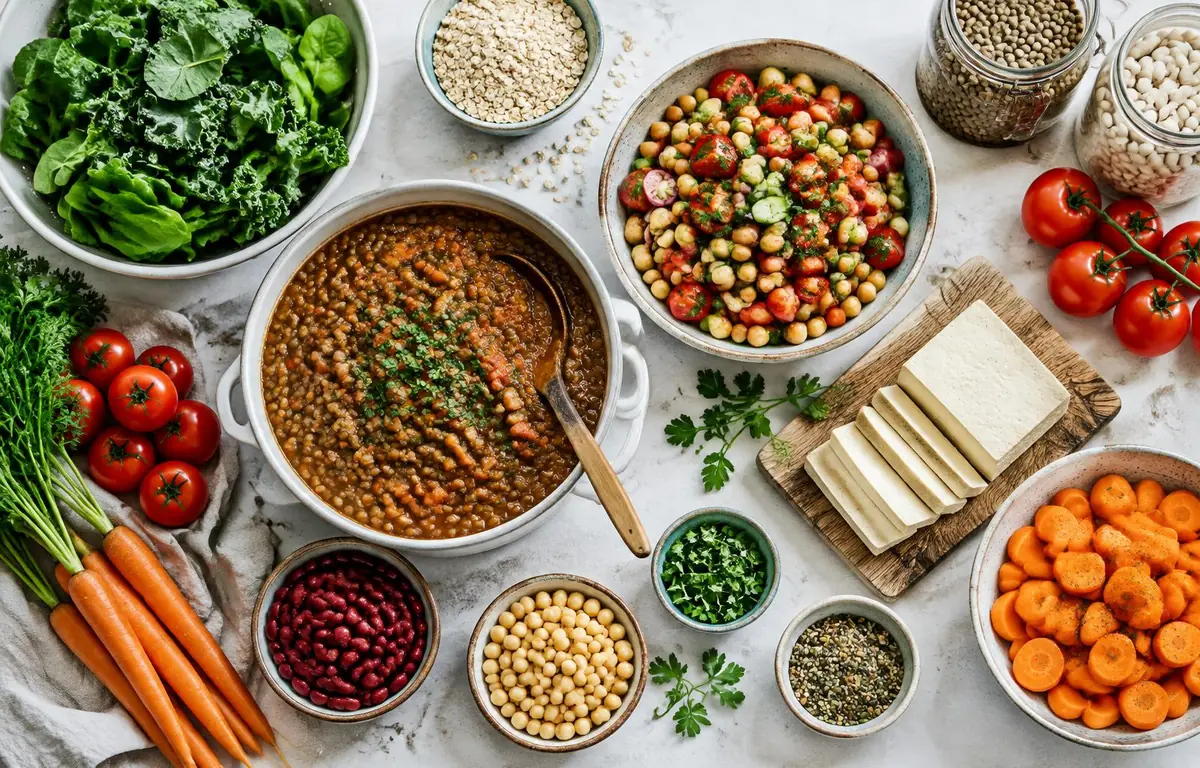
Some objections to plant-based eating are fair questions; others are repeated because they are convenient. Here are the most common ones, answered honestly, with the research behind each answer.
Regulators are tightening the rules on environmental marketing. Knowing what is allowed — and what courts have found misleading — makes it much easier to see through claims on food packaging, menus and adverts.
Prevent waste with a realistic plan, flexible meals and careful storage. Keeping edible food in use protects the resources already invested in producing it.
Build satisfying meals around affordable staples, familiar flavours and flexible substitutions. A useful budget includes time, access and the food you actually eat.
Understand how meals connect to habitats, freshwater and oceans. Reducing pressure on land creates opportunities for nature, but restoration also needs deliberate protection and policy.
Plant-based eating is a high-impact action because it addresses several environmental pressures together. The evidence is strongest when we look beyond a single headline and understand how food production affects climate, land, water, habitats and the opportunities for restoration.
There is no universal carbon ranking for every household. The useful question is which feasible changes address your largest current impacts. Food deserves special attention because its benefits extend beyond emissions, while transport and home energy can also offer very large savings.
Diet labels are useful shortcuts, but the research compares patterns of food consumption, not identities. The charts above show approximate relative impacts from a UK study. Their strongest message is the direction of change, while methods and limits determine how precisely the findings apply.
The calculator is designed to reveal priorities, not produce an audited personal inventory. Understanding its assumptions makes the result more useful. Use it to compare plausible scenarios and identify which parts of your lifestyle deserve a closer look with real household data.
An environmental claim should make a specific, checkable statement about a defined impact. Greenwashing often blurs those requirements. Rather than deciding from a reassuring colour or slogan, examine the evidence, boundaries, comparison and changes behind the words.
A sustainable menu needs to taste good and fit real life. These recipes are starting points, not a rigid programme. Learn the building blocks of satisfying meals, adapt ingredients to your circumstances and make planning easier through a few repeatable kitchen habits.
A pledge can turn an intention into a clear experiment. It works best when paired with preparation, realistic expectations and support. Whether you choose a week, a month or a longer commitment, focus on learning a practical pattern rather than proving personal perfection.
Sources are most useful when you know what question they address and what they cannot establish. This guide explains the main kinds of evidence behind the platform and how to interpret studies, charts and estimates without turning nuanced research into overstated slogans.
Sustainable · Cruelty.farm connects environmental evidence with practical food choices and broader sustainable living. The purpose is to make high-impact actions understandable without reducing a complex problem to slogans, green products or blame. Clear boundaries and useful guidance matter as much as confident communication.
Sustainable eating raises practical questions about food, health, money and environmental claims. The answers below explain the underlying trade-offs. Use the search to find a topic, and follow the sources when you need more detail or guidance specific to your circumstances.
Environmental benefits do not automatically make a diet nutritionally adequate. Planning matters. This guide covers the building blocks and key nutrients to discuss with qualified guidance, especially when pregnancy, childhood, allergies, illness or other circumstances create needs that a general guide cannot assess.
A successful transition is built from meals, not slogans. Start with what you already enjoy, learn the essentials of nutrition and make the new routine convenient. This guide turns an intention into shopping, cooking and social habits that can fit real budgets and schedules.
Food is a powerful foundation, but a sustainable life also includes mobility, housing, consumption, waste and shared decisions. Prioritize the changes with real significance in your circumstances. The aim is to reduce demand and improve systems, not to buy a new set of green-branded belongings.
Organize breakfast, lunch and dinner across seven days, choose from simple meal options and generate a combined shopping list. The planner is a practical starting point, not a complete nutrition prescription. Adapt portions, ingredients and fortification to your needs and qualified guidance.
A short challenge can turn abstract intentions into useful habits. Each day focuses on a practical step, from nutrition planning to a shared meal. Mark tasks as you complete them, and use the week to discover what works rather than to measure moral success.