
Seven days to build a new routine

A short challenge can turn abstract intentions into useful habits. Each day focuses on a practical step, from nutrition planning to a shared meal. Mark tasks as you complete them, and use the week to discover what works rather than to measure moral success.

Your progress: 0 / 7

Selections and challenge progress stay only in this browser when storage is available. They are not linked to an account or pledge. Clearing browser data removes them; on a shared device others may see them. Download a plan you want to keep.

Seven days to build a new routine

A short challenge can turn abstract intentions into useful habits. Each day focuses on a practical step, from nutrition planning to a shared meal. Mark tasks as you complete them, and use the week to discover what works rather than to measure moral success.

3 min read
01

Define success as learning and preparation

This challenge is about building a routine, not proving a perfect identity. Completing a task records your own progress; it does not verify emissions reductions or meals eaten. A thoughtful week can reveal which changes are easy, which require support and which should be adapted to your circumstances.

Start with realistic expectations and protect adequate nutrition. If a task conflicts with a medical need, allergy or access constraint, seek suitable guidance and adjust the approach. The checklist should encourage useful action. It should never override health advice or make someone feel that a limitation is a personal failure.

  • Set an achievable intention for the week
  • Keep nutrition and health needs central
  • Treat obstacles as opportunities to improve the plan
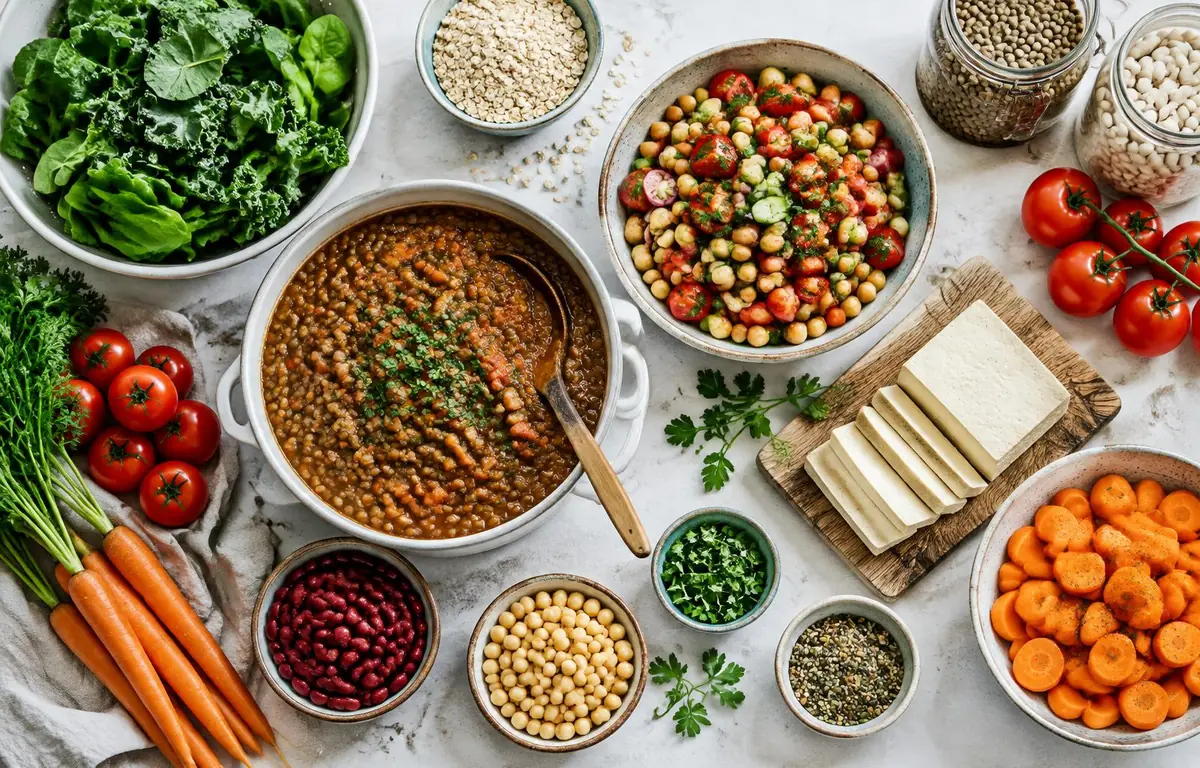
Source: NHS · The vegan diet
02

Make the first days easier

Preparation helps when motivation meets a busy schedule. Identify familiar foods, stock a few useful staples and learn one reliable meal. A simple breakfast or lunch can establish momentum without requiring complicated cooking. Keep an emergency option for the day when plans change unexpectedly.

Checking nutrition early prevents a common mistake: removing foods without arranging suitable replacements. Review B12 and other essentials before a full transition. The challenge tasks are prompts, not an individualized diet assessment. Use the nutrition guide and qualified support to ensure the routine is appropriate for you.

  • Prepare one quick fallback meal
  • Read the nutrition essentials first
  • Choose familiar flavours for early meals
Source: NHS · The vegan diet
03

Use experience to reduce waste

A week provides enough repetition to notice portion sizes and leftovers. If you prepare too much, plan another meal using the remainder and store it safely. If an ingredient remains unused, choose a different quantity or a more versatile option next time. Practical feedback is more valuable than a perfect-looking menu.

Food waste prevention is part of the challenge because it improves both resource use and everyday efficiency. Do not compromise safety to finish food. Follow local storage guidance and make plans that match your fridge, freezer and schedule. Sustainability works best when its routines are safe and repeatable.

  • Notice which quantities you actually use
  • Assign leftovers to a specific next meal
  • Follow safe storage and reheating guidance
Source: UNEP · Food Waste Index Report · 2024
04

Share without turning meals into arguments

Offering a meal can introduce alternatives more effectively than debating labels. Choose a dish others can enjoy, and be attentive to allergies and preferences. Explain what you are trying and what you have learned without claiming that one meal solves the entire climate problem. Curiosity makes conversations more constructive.

Social support can also come from requesting better options at work, school or a local venue. These changes can help people beyond your own household. Respect different constraints and invite participation rather than demanding identical commitments. A short personal experiment can become a starting point for shared practical improvements.

  • Share a satisfying meal where appropriate
  • Respect allergies and different circumstances
  • Ask for one concrete improvement in a shared setting
Source: IPCC · Climate Change and Land · 2019
05

Review the week and choose the next step

At the end, identify two or three habits worth keeping. You may have found an easy breakfast, a favourite dinner or a better shopping routine. Keep those successes and simplify what did not work. The lasting value comes from repeated decisions after the checklist is complete, not from the completion symbol itself.

Progress is stored locally in this browser when storage is available. It is not connected to an account or pledge record, and clearing browser data can remove it. You can reset the checklist for another week. Keep your own notes if you want a longer record of learning and changes.

  • Keep the most useful meals and habits
  • Choose one next improvement rather than many at once
  • Remember that checklist completion is self-reported
Source: IPCC · Climate Change and Land · 2019

Make your next meal count

Join people around the world who have pledged to eat plant-based — for a week, a month or for good. It is free and takes less than a minute.

Take the pledge