
Your practical plant-based starting guide

A successful transition is built from meals, not slogans. Start with what you already enjoy, learn the essentials of nutrition and make the new routine convenient. This guide turns an intention into shopping, cooking and social habits that can fit real budgets and schedules.

3 min read
01

Map the meals you already enjoy

List several breakfasts, lunches and dinners you eat regularly. Some may already be plant-based; others may need a protein substitution or a different sauce. Starting with familiar food reduces the work of learning an entirely new cuisine. Keep the flavours that make a meal satisfying while adjusting the ingredients.

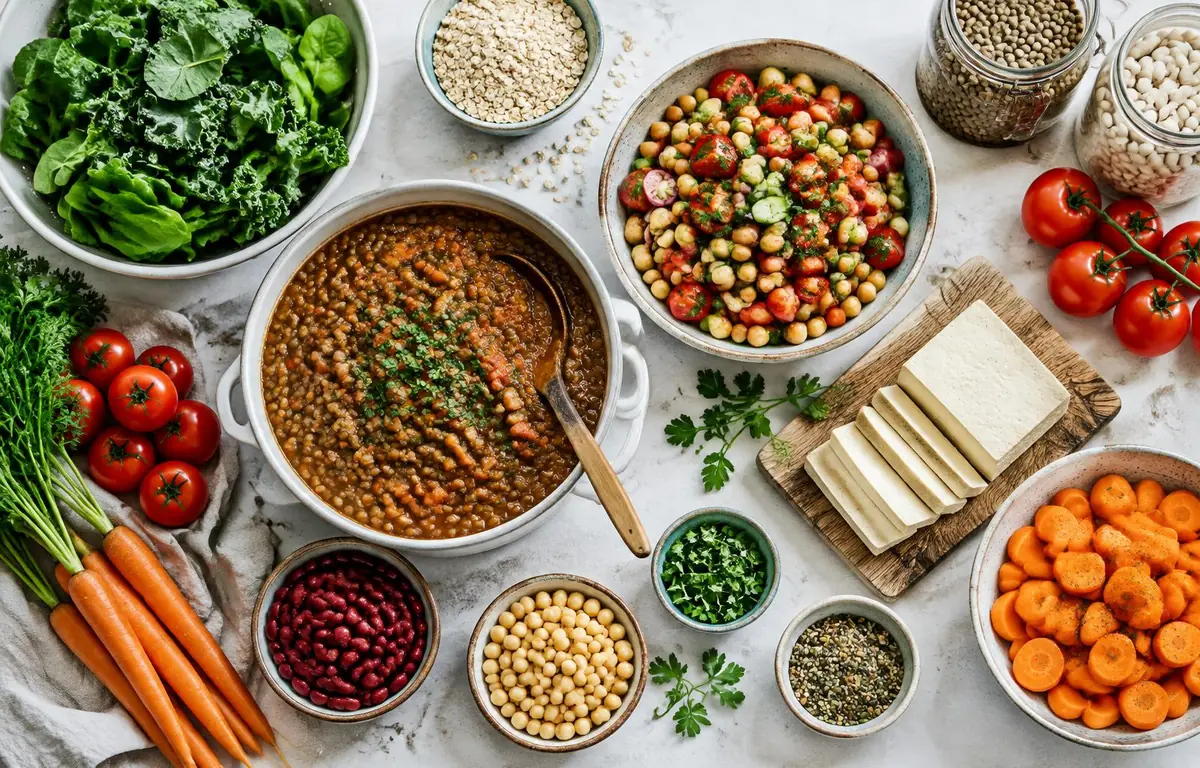
Do not remove animal products without considering what replaces them. Beans, lentils and tofu can contribute protein, while fortified foods and a reliable B12 source require a separate plan. The nutrition guide is an essential companion to this transition. Environmental change should be paired with adequate and enjoyable food.

  • Identify three familiar meals to adapt
  • Replace the nutritional role as well as the texture
  • Plan B12 before a full vegan transition
Source: NHS · The vegan diet
02

Set up a small useful pantry

A few versatile staples are more useful than a cupboard full of unfamiliar products. Choose legumes, a grain, canned tomatoes, frozen vegetables and seasonings you like. Include quick options for busy days. Specialty substitutes can help, but there is no requirement to buy expensive products to cook plant-based meals.

Your pantry should suit the equipment, storage and time you actually have. Canned beans can be sensible when soaking and cooking dried beans is impractical. Small packages may cost more per unit but prevent waste when storage is limited. Practical sustainability considers both resource use and the realities of daily life.

  • Keep legumes and a grain ready to use
  • Choose frozen vegetables for flexible portions
  • Build around your cooking facilities
Source: UNEP · Food Waste Index Report · 2024
03

Use a gradual and repeatable schedule

Some people prefer changing everything at once; others benefit from a gradual approach. A repeatable plant-based breakfast, then several lunches and dinners, can create a manageable path. Repetition is helpful while learning, provided the overall diet remains varied and adequate. The goal is a routine you can maintain.

Plan for difficult moments before they arrive. A late workday, travel or an empty fridge can derail a vague intention. Keep an emergency meal and identify suitable nearby options. A setback is an opportunity to simplify the plan rather than proof that change is impossible or a reason to abandon progress.

  • Start with the easiest recurring meal
  • Prepare one fallback dinner
  • Review what made difficult days difficult
Source: NHS · The vegan diet
04

Navigate eating out and shared meals

Check menus before visiting restaurants and ask about ingredients when necessary. A dish described as vegetarian may contain dairy or eggs. Sauces and stocks can also contain animal ingredients. Clear questions are more useful than assumptions, and requirements related to allergies should be stated separately from dietary preferences.

Shared meals work best with practical cooperation. Offer to prepare or bring a satisfying dish, and explain what you can eat without turning the occasion into an argument. Different households have different constraints. Respectful communication can increase access to good options while keeping food enjoyable and socially connected.

  • Check sauces, stocks and dressings
  • Bring a dish when that helps a host
  • Communicate allergies explicitly and separately
Source: NHS · The vegan diet
05

Review, learn and widen the change

After a week, identify the meals worth keeping and the ingredients that went unused. Adjust portions and shopping accordingly. A transition improves through observation, not through buying every new product. Keep a short list of reliable meals and add variety gradually as confidence and cooking skills grow.

You can extend personal habits by asking for appealing plant-based options at work or school. Pair food changes with attention to travel, home energy and public policy. Sustainable living is broader than a diet label, but a workable food routine can become a strong foundation for a wider set of actions.

  • Keep a list of reliable meals
  • Use leftovers in the next plan
  • Ask institutions for accessible plant-based choices
Source: IPCC · Climate Change and Land · 2019

Make your next meal count

Join people around the world who have pledged to eat plant-based — for a week, a month or for good. It is free and takes less than a minute.

Take the pledge