Carbon-neutral claims
Usually based on cheap offsets — tree-planting or ‘avoided deforestation’ credits that often never deliver. The actual emissions stay the same.
 sustainable
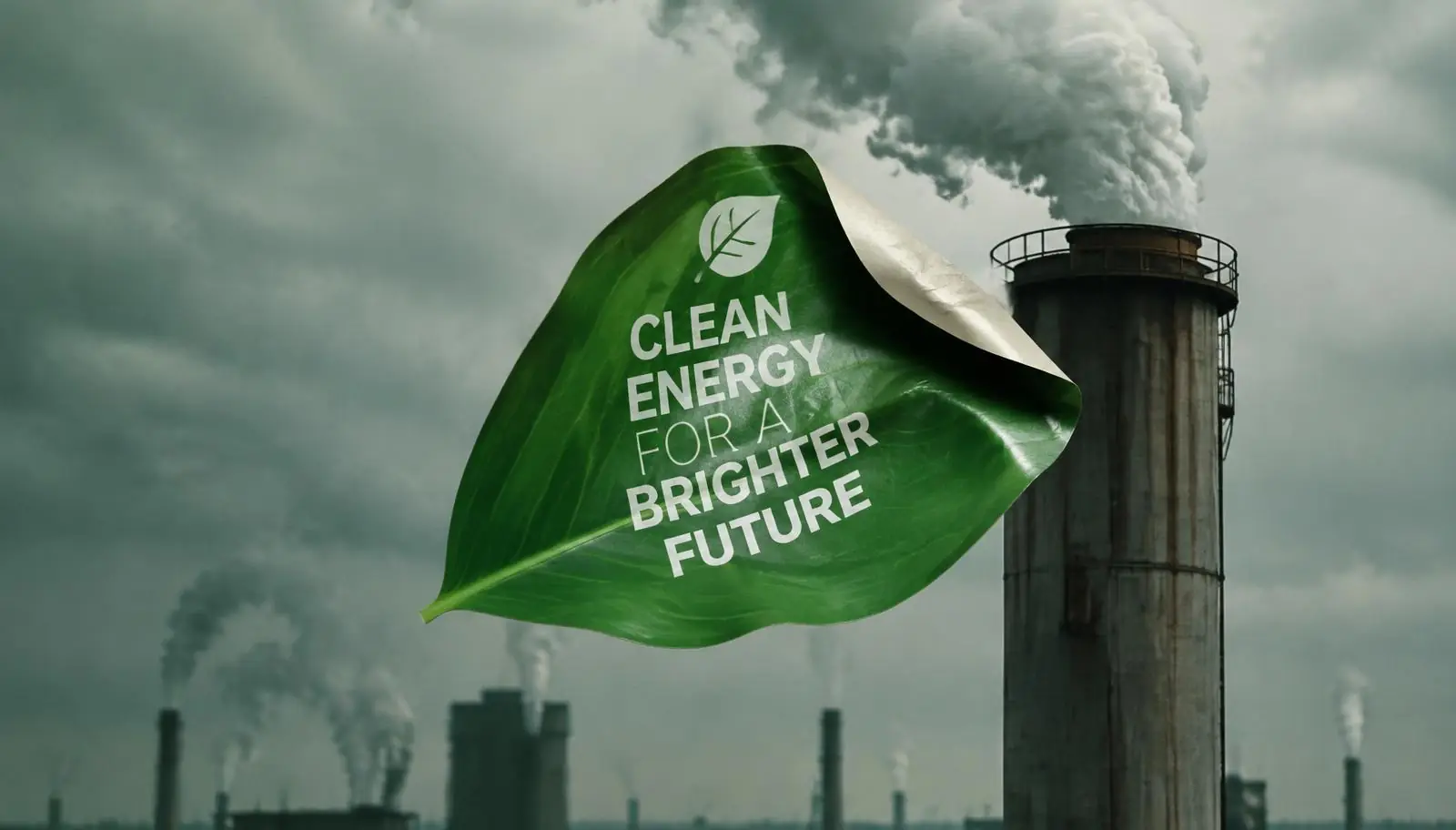
Greenwashing is marketing that makes products look more sustainable than they are. The food industry is one of its biggest users.
Usually based on cheap offsets — tree-planting or ‘avoided deforestation’ credits that often never deliver. The actual emissions stay the same.
‘Regenerative’ or ‘grass-fed’ beef generally needs even more land and still emits far more than plant proteins.
Certification schemes have approved fisheries with high bycatch and declining stocks.
‘Natural’, ‘eco’, ‘green’, ‘planet-friendly’ — undefined terms with no legal meaning in most countries.
Highlighting recyclable packaging while ignoring that the product inside causes 90%+ of the footprint.
‘Net zero by 2050’ promises without interim targets let companies keep growing emissions today.
Paste a marketing claim, label or slogan. Our AI will flag misleading language and explain what to look for.
An environmental claim should make a specific, checkable statement about a defined impact. Greenwashing often blurs those requirements. Rather than deciding from a reassuring colour or slogan, examine the evidence, boundaries, comparison and changes behind the words.
Words such as natural, green and planet-friendly can sound meaningful without specifying an environmental outcome. A useful claim identifies the product, the impact and the scope. Packaging, a factory and an entire supply chain are different subjects. A small improvement in one part should not imply a transformed product.
Ask whether the statement describes a measurement, an ambition or a certification standard. Each needs different evidence. An ambition should not be presented as an achieved reduction, and a certificate only establishes conformity with its own requirements. A claim that remains vague after reasonable questions deserves caution rather than automatic trust.
A claim of lower emissions needs a comparison: lower than what, measured when, and using which method? A product can improve compared with its own previous version while still having a high footprint compared with alternatives. Leaving out farming or land-use change can dramatically change a food-related result.
Relative reductions and absolute emissions are not interchangeable. A business may reduce emissions per unit while expanding total production enough to increase overall emissions. A credible explanation shows both the calculation boundaries and relevant totals. Without them, a percentage can be technically narrow but broadly misleading in its presentation.
Offsetting proposes compensating for emissions through activities elsewhere. Whether a credit represents a real additional reduction depends on the counterfactual, measurement, permanence and double-counting controls. Tree planting can also face fire, land rights and long timescale issues. Purchasing a credit does not make the physical emissions disappear.
An offset-backed label should be distinguished from actual supply-chain reductions. Ask what was reduced directly and what was compensated for. Avoid assuming every credit is worthless or every credit is equivalent. The central point is to demand evidence and not let a neutral-sounding label replace a comparison of the underlying products.
A recyclable container may be a real improvement, but it can distract from the food inside. Animal feed, methane, land demand and farming practices often dominate food impacts. Highlighting a favourable packaging detail does not establish that the entire product is low-impact. The significance of the improvement needs proportional context.
Grass-fed, local and organic describe particular attributes, not complete environmental results. They may relate to some farming practices while leaving other pressures high. Avoid dismissing every attribute, but do not let one attribute settle the overall judgement. Ask for a multi-impact comparison and clear information about the conditions of production.
The AI checker can flag ambiguous language and suggest questions. It does not inspect a company’s complete records, verify a certification or issue a legal determination. A confident explanation may still contain mistakes. The output should guide further scrutiny, especially when a claim depends on data not supplied in the text.
If a claim concerns a named business, gather the original wording and supporting documents before drawing conclusions. Strong allegations require stronger evidence than a short AI response. Compare independent sources and relevant consumer-protection guidance. Treat a low-risk result as a tentative language assessment, not an endorsement of the product.
Join people around the world who have pledged to eat plant-based — for a week, a month or for good. It is free and takes less than a minute.