
Take the pledge

Commit to eating plant-based. Every meal counts — and so does every voice.

— people have pledged

I pledge to eat plant-based for

We never share your email or show it publicly.

Seven days to build a new routine

Make a commitment that fits your life

A pledge can turn an intention into a clear experiment. It works best when paired with preparation, realistic expectations and support. Whether you choose a week, a month or a longer commitment, focus on learning a practical pattern rather than proving personal perfection.

3 min read
01

Choose a useful starting period

A week can help you test breakfasts, lunches and dinners without a large initial commitment. A month gives more time to build shopping routines and navigate social occasions. A longer commitment can provide direction while still requiring adjustments as life changes. The right period is the one you can approach thoughtfully.

The form records the duration you select; it does not verify what you eat or impose penalties. If you need a gradual transition because of access, health or household circumstances, use the guides to build a plan. A commitment should support constructive action, not create shame about constraints or mistakes.

  • Choose a duration with a realistic preparation window
  • Plan meals before the first busy day
  • Treat difficulties as information for adjusting your plan
Source: NHS · The vegan diet
02

Prepare your first few meals

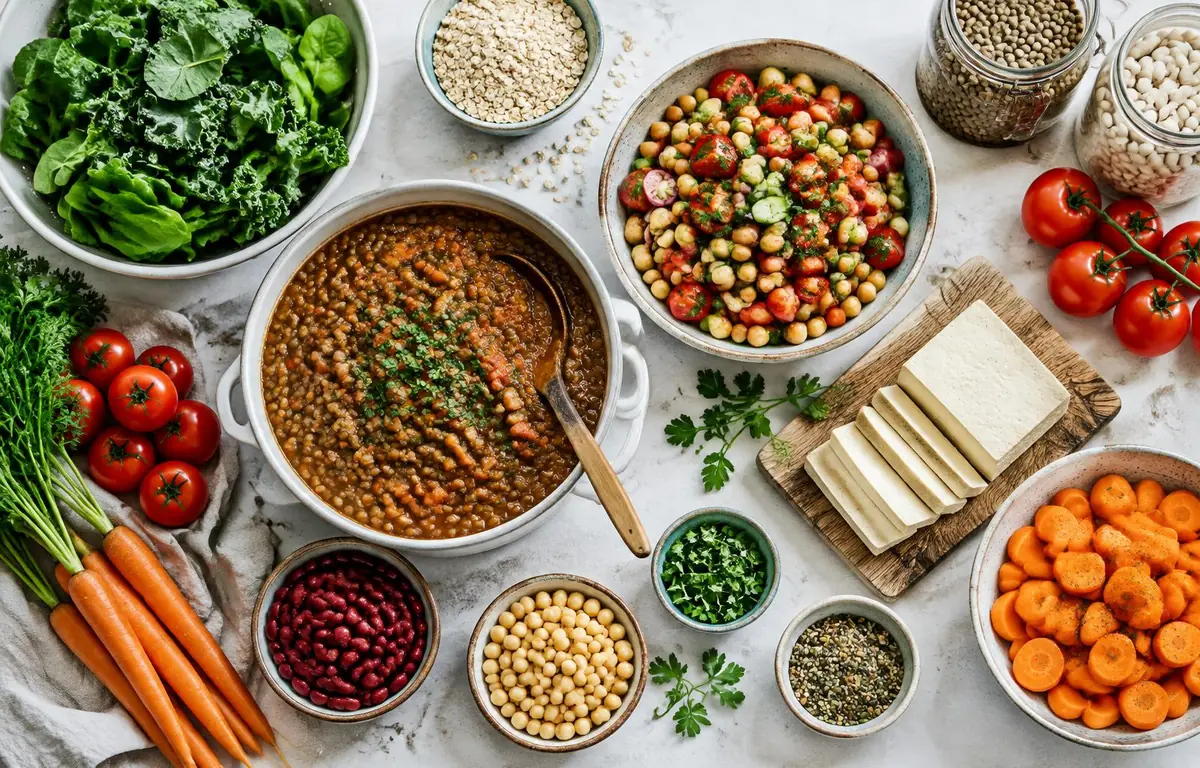
An intention becomes easier when the ingredients are already available. Pick familiar dishes and identify simple plant-based substitutions. Keep an emergency meal such as beans with rice, lentil soup or tofu with frozen vegetables. Avoid relying on motivation alone when work, travel or family responsibilities make time scarce.

A shopping plan can reduce both uncertainty and waste. Check cupboards before buying, and choose ingredients that work in more than one meal. The planner can organise a week and produce a shopping list. It is a convenience tool, not a personalized nutrition prescription or a complete dietary assessment.

  • Stock one quick meal for busy evenings
  • Use the planner to organise ingredients
  • Read the nutrition essentials before a full transition
Source: NHS · The vegan diet
03

Build supportive social routines

Food is shared through family, work and culture. Explain your plans in terms of the meals you will prepare rather than demanding others adopt the same commitment. Offering a satisfying dish can make a conversation more positive. Ask restaurants or hosts about ingredients early enough to avoid last-minute confusion.

Not everyone has the same freedom to choose meals. Dependence on a shared kitchen, limited income or food provision can affect options. Support should respect those realities. Focus on the changes within your control and seek practical help where possible; sustainability conversations are more useful when they expand possibilities instead of assigning blame.

  • Offer to bring a dish to a shared meal
  • Check restaurant options before travelling
  • Discuss needs respectfully with your household
Source: IPCC · Climate Change and Land · 2019
04

Keep your information in perspective

The pledge form collects your name, email, optional country, selected duration and language. Public visitors see only an aggregate count, not individual names or emails. Submitting a pledge is different from signing up for a promised newsletter, coaching programme or other service; none is implied by the commitment form.

The separate challenge checklist and meal plan are stored in your browser, not added to your pledge record. They do not require an account. Browser data can be cleared or unavailable, so do not treat it as permanent cloud storage. Avoid entering sensitive information into tools that do not need it.

  • Only enter information required by the form
  • Use a shared browser with awareness of local saved progress
  • Keep your own copy of a plan if you need permanence
Source: IPCC · Climate Change and Land · 2019
05

Continue after the pledge period

At the end of your chosen period, review what worked. Which meals were affordable and enjoyable? Which situations were difficult? Use those observations to choose the next step. A challenge can become a lasting habit through a small reliable repertoire rather than a sudden demand for an entirely different lifestyle.

Environmental benefits arise from sustained changes in demand, not from submitting a form. Continue developing meals, nutritional understanding and supportive routines. You can also advocate for better plant-based options at work, school or in your community. A personal commitment can be the beginning of broader participation rather than the final action.

  • Keep the meals you genuinely enjoyed
  • Identify one barrier you can make easier next time
  • Request appealing plant-based options in shared settings
Source: IPCC · Climate Change and Land · 2019